WHAT IS INTERNAL WALL INSULATION AND HOW DOES IT WORK?
Internal wall insulation (IWI)—also known as insulated dry lining—is installed against the inside surface of a property’s external walls. It creates an additional thermal layer that helps reduce heat loss, increase internal wall-surface temperatures and improve comfort within the room.
Depending on the property, the system may use insulation-backed plasterboard or insulation fitted within a purpose designed internal framework. Internal wall insulation can be suitable for solid-wall homes, properties without an appropriate cavity, or buildings where changing the external appearance would not be desirable.
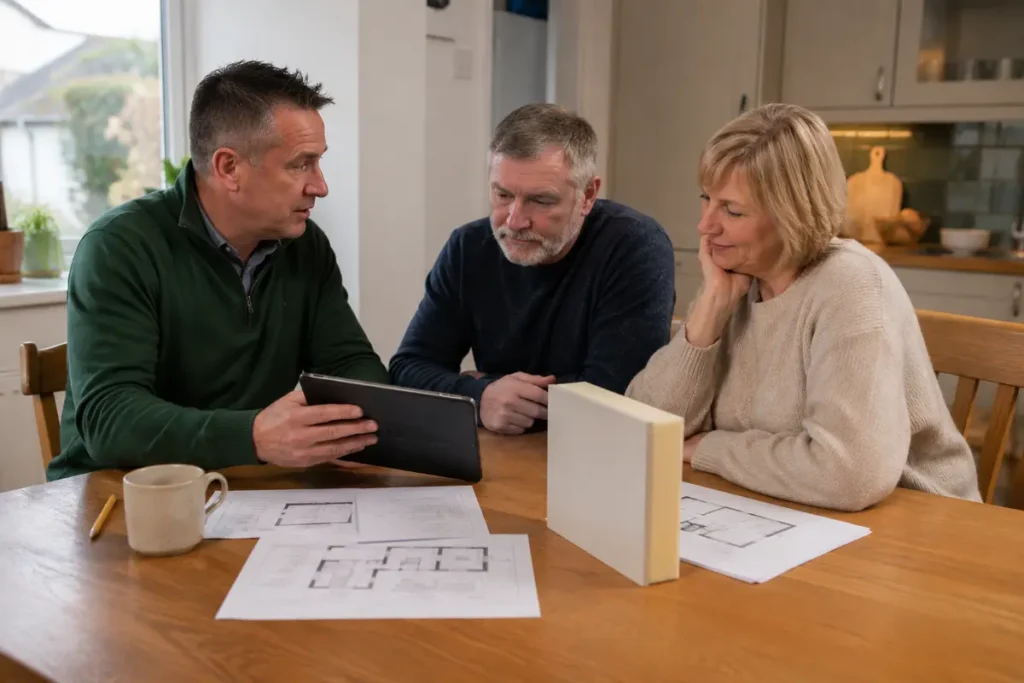
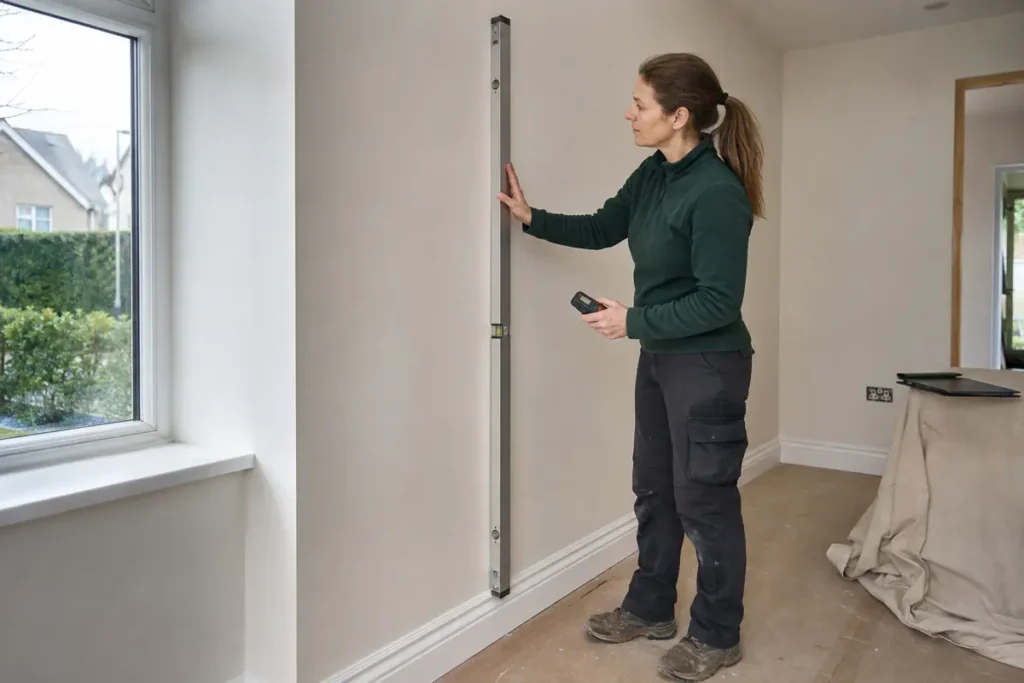
A professional assessment is essential before work begins. The existing wall condition, moisture levels, ventilation and construction must be considered to ensure the proposed system is appropriate. Careful detailing is also required around windows, doors, floors, ceilings and adjoining internal walls to reduce cold bridging and manage condensation risk.
Installation can affect skirting boards, sockets, radiators, window reveals and the usable dimensions of the room. These areas should be included within a properly planned installation and finishing programme.
When correctly designed and fitted, internal wall insulation can help create warmer rooms, reduce external wall heat loss and improve the overall energy performance of an Irish home. SEAI wall insulation grants may also be available for eligible properties.